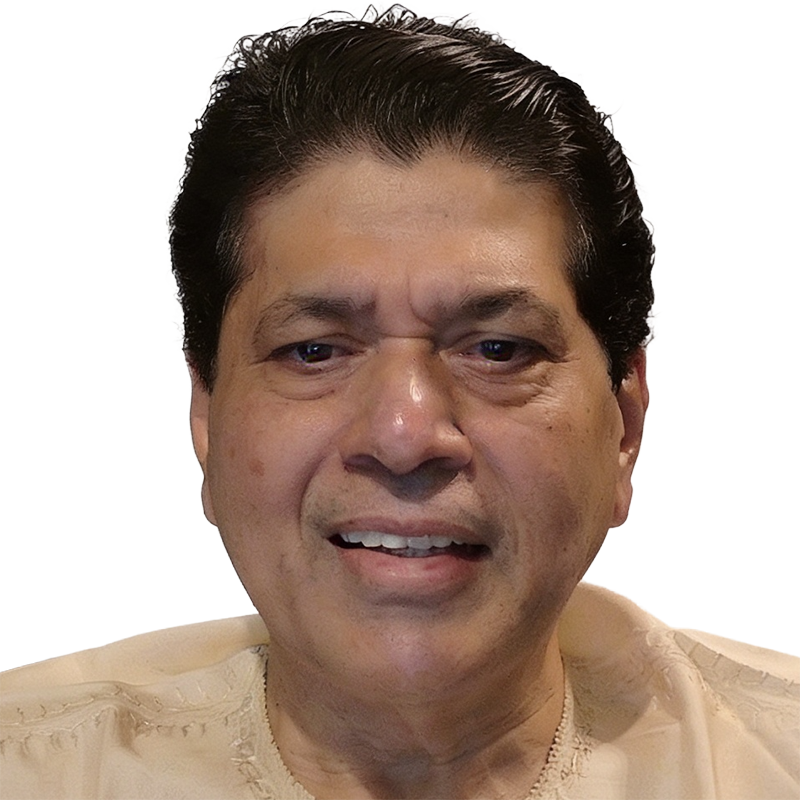
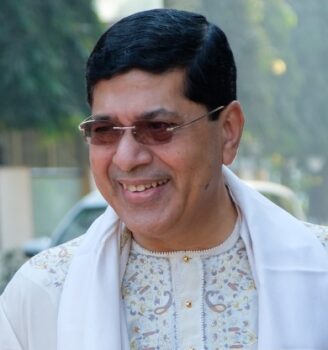
 Sanjay Rath is a traditional Vedic astrologer from Puri, Odisha, who left an engineering career to teach classical Jyotisha worldwide; he emphasizes Parashara and Jaimini systems, founded the Sri Jagannath Center, and integrates spiritual practices into astrological training. 🕸️Website
Early life and background
Born into a hereditary astrologer family in Bira Balabhadrapur Sasan, Puri, Rath traces his lineage to the saint Achyutananda and was trained by his uncle Pandit Kasinath Rath and grandfather Pandit Jagannath Rath. He completed a degree in mechanical engineering and briefly worked in government service before dedicating himself full time to Jyotisha.
Teachings and methodology
Rath teaches from classical sources—Brihat Parashara Hora Shastra, Jaimini Upadesa Sutras, Brihat Jataka, and Saravali—and emphasizes parampara (lineage) transmission rather than creating a new “brand” of astrology. His curriculum gives special attention to Jaimini techniques (Atma Karaka, Chara dasha), Nadi methods, and mantra shastra, and he frames astrological principles alongside Vedic scripture and spiritual practices.
Sri Jagannath Center and outreach
 Rath founded the Sri Jagannath Center to systematize and spread his parampara’s teachings; SJC runs structured courses, workshops, and global chapters where students study astrology plus related disciplines such as mantra, pranayama, and meditation. The center functions as both a teaching institution and a vehicle for preserving Odisha’s astrological lineage.
Contributions and reception
He is credited with reviving interest in advanced classical techniques—especially Jaimini and Nadi systems—and with translating or interpreting ancient texts for contemporary students. Advanced practitioners often praise his depth and fidelity to scripture, while newcomers may find the material demanding without prior Jyotisha study.
Key considerations for prospective students
Decide whether you want lineage-based, scripture-focused training or a more eclectic, modern approach. Clarifying questions to consider:
- What prerequisites are required for each course level?
- How much Jaimini vs Parashara content is covered?
- Are courses live, recorded, or mentorship-based?
- What spiritual practices (mantra, pranayama) are included and to what depth?
Limitations, risks, and practical cautions
- Accessibility: Rath’s teaching is advanced and text-heavy; casual learners may struggle without foundational study.
- Interpretive variation: Jyotisha contains multiple schools; conclusions can differ between practitioners—expect interpretive nuance rather than single definitive answers.
- Verification: When relying on lineage claims or translations, cross-check course syllabi and sample lectures to ensure the material matches your learning goals.